
Why Language Matters in International Diplomacy
With six official languages and a dedicated multilingualism framework, the United Nations relies on translation and interpretation to make diplomacy possible across linguistic and cultural borders
September 07th, 2026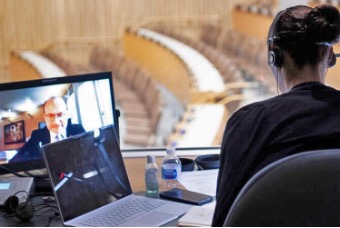
With six official languages and a dedicated multilingualism framework, the United Nations relies on translation and interpretation to make diplomacy possible across linguistic and cultural borders.
Sit in on a General Assembly session and you'll hear a genuine mix of languages, because the UN conducts its business in six official languages: Arabic, Chinese, English, French, Russian and Spanish. Any delegate can speak in one of these and have it interpreted into the rest on the spot, and most official documents eventually come out in all six. For the UN, that's not a courtesy — letting Member States work in their own language is what lets everyone actually take part in the discussion, rather than just sit through it. The organisation even marks language days throughout the year to keep multilingualism and cultural diversity in view.
That makes translation far more than a back-office task. The UN's Department for General Assembly and Conference Management notes that its translators handle documents on everything from peace and security to economic development, international law and human rights, often within the same day. It's delicate work, too: getting the words right isn't enough if the political nuance and tone get lost along the way, so translators end up carrying the meaning of a diplomatic statement across languages without losing what made it diplomatic in the first place.
To back this up structurally, the UN put together a Strategic Framework on Multilingualism, aimed at giving all six languages more equal footing, both inside the organisation and in how it engages with the wider world. It's a direct response to a long-standing complaint: that some official languages get far more use than others. Part of the fix has been setting minimum standards for UN websites, so information isn't only really accessible if you happen to read English.
None of this stays confined to UN headquarters, either. The organisation itself describes multilingualism as an “enabler of multilateral diplomacy” — a way of helping governments actually communicate, participate and cooperate, rather than just talk past each other. Seen that way, translators and interpreters aren't a support service on the sidelines of diplomacy; they're part of its infrastructure. Take them away, and countries and peoples would have a far harder time exchanging ideas and negotiating across linguistic and cultural lines.
As long as the UN keeps bringing together countries with such different languages and traditions, multilingualism will stay a practical necessity rather than a nice idea on paper. Language here is doing double duty: it's how people communicate, but within the UN system it's also how diplomacy stays inclusive — making sure no voice gets left out of the room simply because of what language it speaks.
References:
- https://www.un.org/en/our-work/official-languages
- https://www.un.org/dgacm/en/content/translation
- https://www.un.org/en/multilingualism-web-standards
