
When Food Becomes a Bridge Between Cultures
Bhutan summit brings traditional knowledge and global cooperation together
September 09th, 2026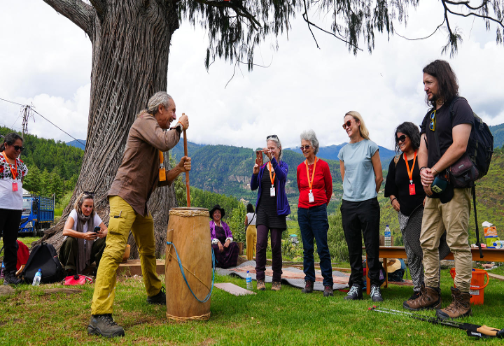
What we eat is closely connected to the way communities live, think and relate to the world around them. In Bhutan, a recent international summit brought together almost 400 participants from around 65 countries to explore how culture, values and traditional knowledge can influence the way food systems are shaped.
The first Global Conscious Food Systems Summit took place in Paro from 31 August to 4 September 2026. Convened by the Royal Government of Bhutan, the Conscious Food Systems Alliance and the United Nations Development Programme (UNDP), the meeting brought together political leaders, Indigenous Peoples, farmers, scientists, businesses, young people and development practitioners. Participants discussed how food systems are connected to wider challenges such as climate change, inequality, conflict and environmental degradation.
Culture and traditional knowledge were an important part of the discussions. Participants explored how values, relationships and different ways of understanding the world can influence decisions about how food is produced, governed and consumed. The summit also highlighted the knowledge of Indigenous communities and the importance of bringing different experiences together. Former UN Secretary-General Ban Ki-moon emphasised the role of cultural and inner transformation in supporting sustainable development, while participants from different regions shared their own perspectives and experiences.
The summit also marked the launch of the Conscious Food Systems Framework, which brings together more than five years of international collaboration and over 50 examples of existing practices. The framework will now be developed further through national and regional networks and programmes. Bhutan’s own approach to Gross National Happiness provided an important context for the discussions, placing wellbeing, environmental stewardship, culture and good governance alongside economic development.
The meeting in Bhutan offered a space where different cultures, generations and forms of knowledge could meet around a common global challenge. By giving a place to Indigenous knowledge, local experiences and different cultural perspectives, the summit showed how international dialogue can also begin with the everyday practices and values that shape communities.
