
UNESCO Promotes Cultural Heritage Through FESTIBABA 2026
Festival strengthens Baka and Bantu cultural exchange across three countries
August 25th, 2026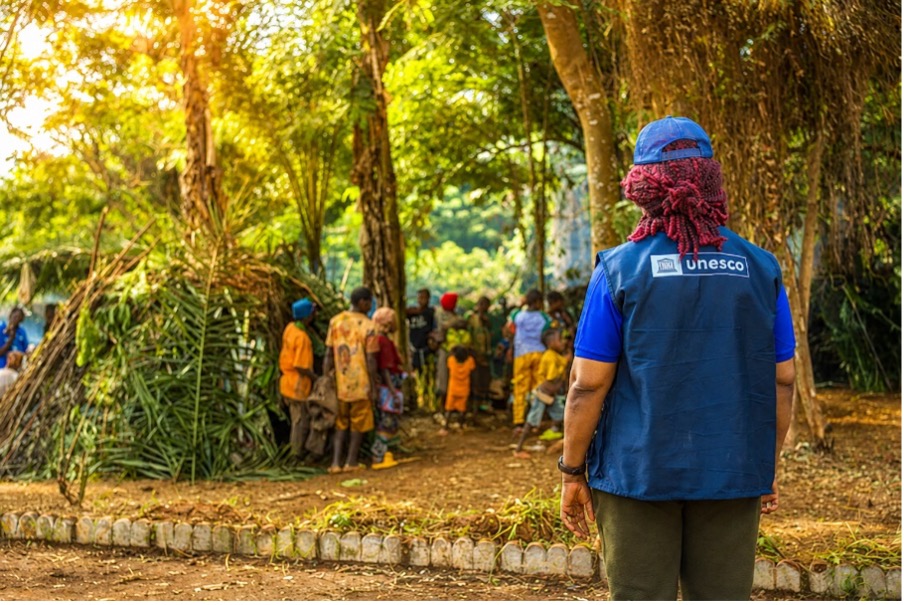
UNESCO supported the fifth edition of the Baka Bantu Cultural Festival (FESTIBABA), held in Salapoumbé, Cameroon, from 30 July to 2 August 2026. Centred on tourism, tradition and community integration around Lobéké National Park, the festival brought together communities from Cameroon, the Central African Republic and the Republic of the Congo, creating a cross-border platform for cultural exchange and the transmission of Baka and Bantu heritage.
More than 1,500 participants attended from communities surrounding Lobéké National Park, Dzanga Ndoki National Park in the Central African Republic and Nouabalé Ndoki National Park in the Republic of the Congo, as well as from the Salapoumbé area. The programme combined workshops on sustainable tourism, zoonotic diseases and Cameroon’s 2024 forestry law with dances, songs, traditional rites, medicine practices, gastronomy and handicrafts, connecting cultural expression with environmental knowledge.
The festival was co-funded by UNESCO through the European Union-funded NaturAfrica programme, with financial support from the Foundation for the Sangha Trinational. Its focus on culture, ecotourism and inclusive conservation also emphasised the role of Indigenous Peoples and local communities in safeguarding the region’s cultural and natural heritage. UNESCO presented the initiative as part of its wider work to support living heritage, traditional knowledge and sustainable tourism at World Heritage sites.
FESTIBABA demonstrates how cultural heritage can provide a practical basis for people-to-people dialogue across borders. By bringing Baka and Bantu communities together around traditions closely connected with the Congo Basin, the festival combined cultural transmission with environmental cooperation and community participation. With a sixth edition announced for 2027, the initiative continues to provide a regional forum connecting heritage preservation, intercultural dialogue and international cooperation.
