
Germany–Russia Cultural Diplomacy Reaches a New Breaking Point
The closure of cultural institutions in Germany and Russia marks another setback for cultural exchange between the two countries.
September 07th, 2026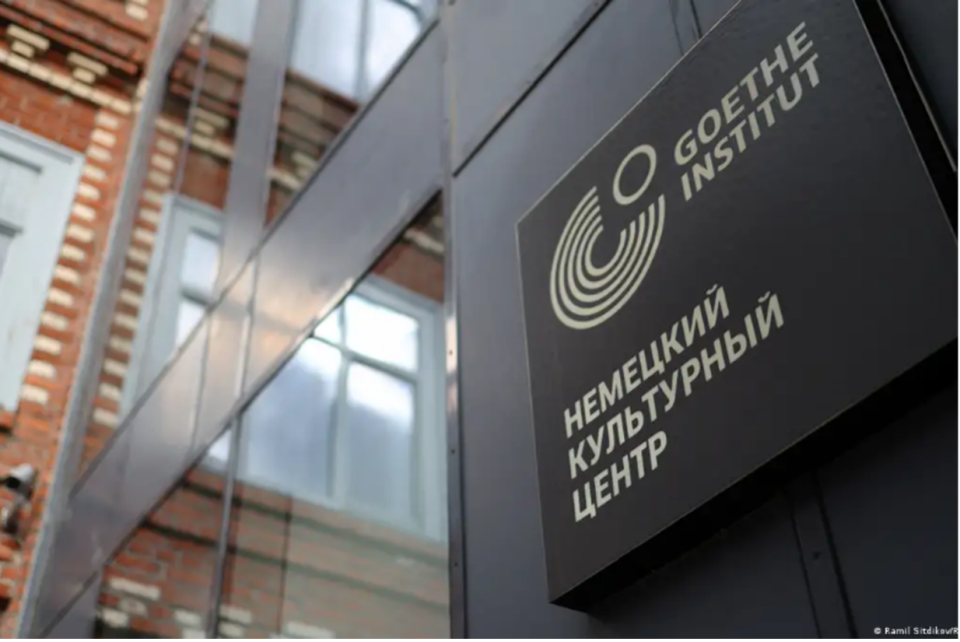
Russia has announced the closure of Germany’s Goethe-Institut centres in Moscow, St Petersburg and Novosibirsk, following Germany’s decision to end the agreement governing the Russian House in Berlin. The Russian Foreign Minister, Sergei Lavrov, announced the move on 3 September 2026, describing it as a response to Germany’s decision. The dispute follows Germany’s accusation that Russia was responsible for a failed drone attack at Leipzig/Halle Airport in August. Berlin subsequently announced measures including the closure of the Russian cultural centre in Berlin and the Russian consulate in Bonn.
The Goethe-Institut has maintained a cultural presence in Russia since 1992, with its network later expanding to other cities. Its work has focused on German language, culture and cultural exchange. Following the Russian announcement, Goethe-Institut President Gesche Joost said that the closures mark “the end of an era” in German-Russian cultural relations, while stressing the importance of the institutes for language learning, libraries and encounters between people in the two countries.
Germany’s decision to close the Russian House in Berlin has also become part of the wider deterioration in bilateral relations. The Russian House, located on Friedrichstraße, has operated as a cultural centre since 1984, offering cultural events, exhibitions and language courses. German authorities have increasingly questioned the role of the institution, with critics accusing it of serving purposes beyond cultural exchange.
The reciprocal closures show how closely cultural institutions can become connected to wider diplomatic tensions. The Goethe-Institut had continued operating in Russia despite years of increasingly difficult relations, but its Russian branches now face closure. The loss of these institutions reduces opportunities for language learning, cultural programmes and direct contact between German and Russian societies.
The latest measures therefore represent more than the closure of individual buildings. They demonstrate how cultural diplomacy can be affected when political relations deteriorate sharply. Institutions designed to create dialogue between societies can become part of diplomatic disputes, leaving fewer spaces for cultural and people-to-people exchange precisely when international relations are under pressure.
References:
- https://www.reuters.com/world/russia-close-goethe-institut-branches-after-german-drone-incident-foreign-2026-09-03/
- https://www.aljazeera.com/news/2026/9/3/russia-to-close-goethe-institut-centres-as-germany-tensions-escalate
